

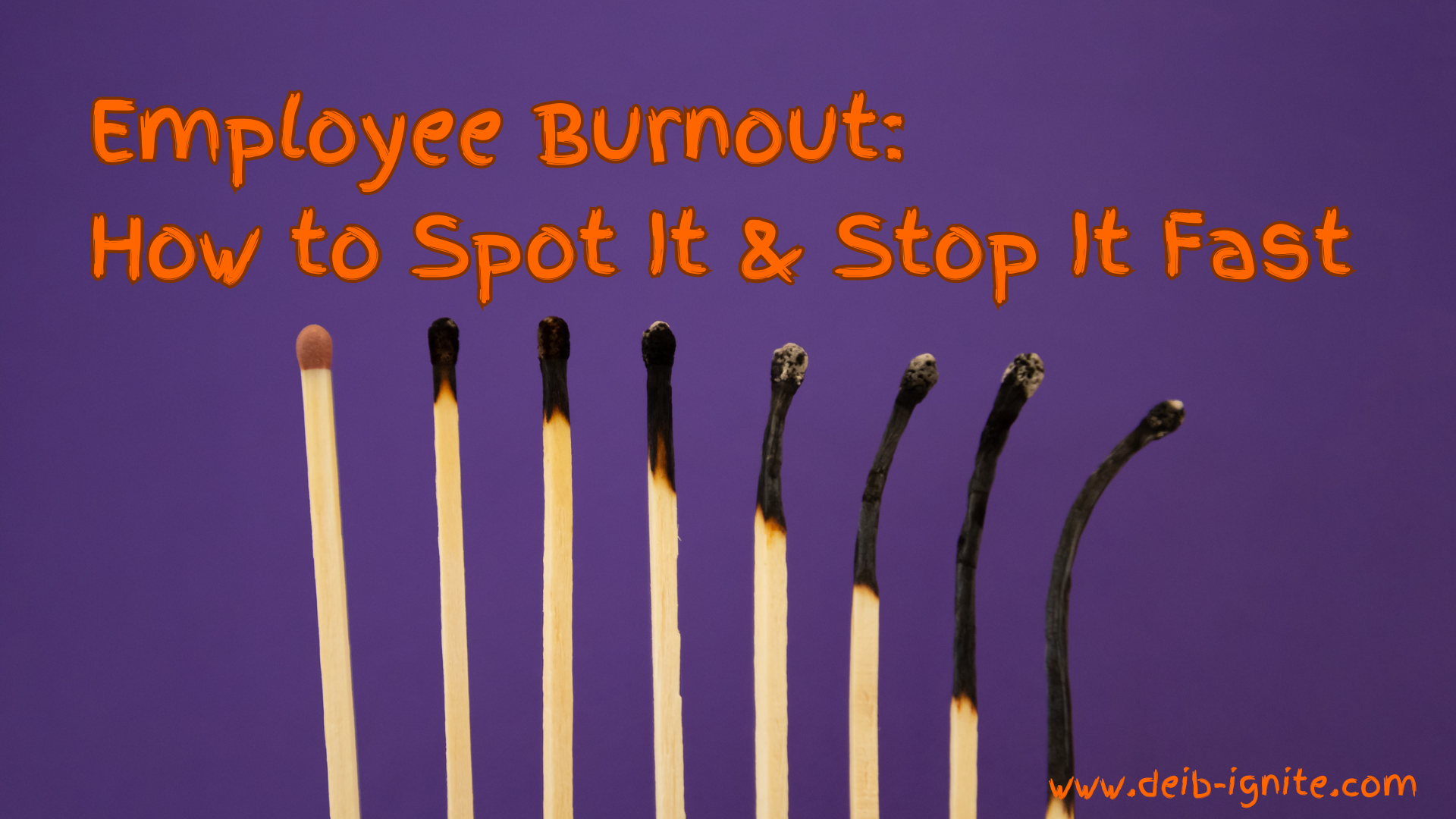
Employee burnout is one of the most damaging forces quietly eroding team performance, retention, and culture across organizations today. It does not arrive loudly – it creeps in through exhaustion, disconnection, and a slow loss of purpose. Leaders who ignore the warning signs pay a steep price in lost talent and broken trust. The good news? Burnout is preventable. With the right strategies, you can build a workplace where people feel energized, valued, and genuinely motivated to bring their best every single day.
Employee Burnout: What It Really Means
Employee burnout is a state of chronic workplace stress that leads to physical exhaustion, emotional depletion, and a deep sense of cynicism toward work. The World Health Organization officially classifies burnout as an occupational phenomenon – not a personal failing. This distinction matters enormously for leaders. Burnout is systemic. It reflects how work is structured, managed, and experienced. Therefore, fixing it demands organizational action, not individual willpower.
Employee burnout typically develops across three dimensions: overwhelming exhaustion, growing detachment from work, and a reduced sense of personal effectiveness. Recognizing these dimensions early gives leaders the power to intervene before performance collapses. Furthermore, burnout does not only affect the individual – it spreads. When one team member is burnt out, engagement drops across the entire group. Above all, leaders must understand that burnout is a signal the system needs redesign, not a sign that an employee is weak.
The Root Causes of Employee Burnout
Understanding the root causes of employee burnout is the first step toward eliminating it. Burnout rarely has a single source – it is typically the result of several compounding pressures. However, research consistently points to certain organizational patterns that accelerate the process faster than others.
- Unmanageable workloads – when employees are constantly stretched beyond capacity without relief, exhaustion becomes inevitable.
- Lack of autonomy – micromanagement signals distrust and strips people of the agency they need to feel motivated.
- Poor recognition – when effort goes unacknowledged, employees lose their sense of purpose and value.
- Toxic leadership behaviors – dismissiveness, inconsistency, and psychological unsafety accelerate burnout at pace. Understanding leadership behavior toxicity is essential for any leader serious about prevention.
- Lack of community – isolation and disconnection from colleagues erode the social support that protects against burnout.
Additionally, blurred boundaries between work and personal life – particularly in hybrid and remote environments – create conditions where employees never truly switch off. Consequently, fatigue accumulates faster than recovery can occur. Leaders must address these root causes structurally, not just symptomatically.
How to Spot Employee Burnout Before It Escalates
Spotting employee burnout early requires intentional observation and genuine connection with your team. Many leaders miss the early warning signs because burnout often masquerades as quiet professionalism- employees still showing up, still delivering, but running on empty. Therefore, leaders must look beyond output metrics and pay attention to behavioural shifts.
Behavioral Warning Signs
Early-stage employee burnout often shows up as subtle changes in attitude and engagement. Watch for increased cynicism, withdrawal from team conversations, or a noticeable drop in creativity and initiative. Similarly, employees who were once reliable and enthusiastic may begin missing deadlines or disengaging from meetings. These shifts are not laziness – they are distress signals.
Physical and Emotional Indicators
Employee burnout also manifests physically. Frequent illness, persistent fatigue, and complaints of feeling overwhelmed are common signs. Emotionally, burnt-out employees often describe feeling detached, hopeless about their work, or unable to care about outcomes they previously found meaningful. Moreover, increased absenteeism or requests for extended leave can indicate that someone has already crossed into crisis territory. Regular one-to-one conversations create the psychological safety needed for employees to share these experiences honestly before it is too late.
Employee Burnout Prevention Strategies for Leaders
Employee burnout prevention is not a wellness initiative – it is a leadership responsibility embedded in how you manage, communicate, and model healthy work. First, leaders must audit workloads honestly. Are expectations realistic? Are deadlines humane? Are people resourced adequately for what is being asked of them? These questions require courage to ask and even more courage to act on. As explored in our guide on Courage in Leadership, the willingness to challenge uncomfortable norms is what separates good managers from transformational ones.
- Set clear boundaries around work hours – model them yourself so employees feel safe doing the same.
- Redistribute workloads regularly – do not assume silence means capacity; check in proactively.
- Build recognition into your culture – acknowledge effort and contribution consistently, not just outcomes.
- Offer genuine flexibility – rigid structures increase stress; adaptable ones restore agency and trust.
- Tackle toxic dynamics immediately – unaddressed conflict and poor leadership behaviour are accelerants of employee burnout, and combating leadership toxicity is a non-negotiable priority.
Furthermore, invest in leadership development. Managers who lack emotional intelligence often create the conditions for burnout without realizing it. Training leaders to lead with empathy, clarity, and psychological safety is one of the highest-leverage investments an organization can make.
Building a Culture That Actively Resists Employee Burnout
A culture that resists employee burnout does not happen by accident – it is deliberately designed through values, norms, and consistent leadership behavior. The Harvard Business Review consistently highlights that sustainable performance cultures priorities human wellbeing alongside results. In practice, that means embedding psychological safety, inclusion, and genuine care into the day-to-day fabric of how your organization operates.
Inclusion plays a significant role here. When employees feel they truly belong – when their voices are heard, their identities respected, and their contributions recognized – they are far more resilient to stress. In contrast, cultures that exclude or marginalize particular groups create additional, invisible layers of stress that compound burnout risk. Kindness as a catalyst for inclusivity is not soft – it is a strategic advantage that builds the kind of belonging that buffers against burnout.
Additionally, prioritiza sustainable performance over heroic effort. Celebrate teams that deliver consistently well over time, not just those who sprint heroically and then crash. This cultural shift signals to every employee that their long-term health matters more than short-term output spikes.
Comparing Approaches to Employee Burnout Prevention
Not all burnout prevention strategies are equally effective. Some organizations take a reactive approach – addressing burnout after it surfaces. Others take a proactive stance – designing systems and cultures that prevent it from developing in the first place. The table below compares these two approaches across key dimensions.
| Dimension | Reactive Approach | Proactive Approach |
|---|---|---|
| Timing | Responds after burnout is visible | Prevents burnout before it develops |
| Focus | Individual employee support | Systemic and cultural redesign |
| Leadership Role | Crisis manager | Culture architect |
| Common Tools | EAP programs, sick leave, counselling | Workload audits, recognition systems, psychological safety |
| Long-Term Outcome | Ongoing churn and recurring burnout cycles | Sustained engagement and retention |
| Cost Impact | High – replacement, lost productivity | Lower – prevention is cheaper than recovery |
As the table shows, a proactive approach delivers significantly better outcomes for both people and performance. However, it requires leaders to invest time and resources before problems become visible – which demands trust in the long game. The Gallup research on employee burnout further reinforces that prevention, led from the top, is the single most effective strategy available to organizations today.

Frequently Asked Questions
What are the most common signs of employee burnout?
Employee burnout typically presents as persistent exhaustion, emotional detachment, increased cynicism, reduced productivity, and frequent illness. Behavioral shifts – such as withdrawal from team interactions, missed deadlines, or a noticeable drop in enthusiasm – are often the earliest and most telling warning signs for leaders to watch for closely.
How long does it take to recover from employee burnout?
Recovery from employee burnout varies significantly depending on severity and the support available. Mild burnout may resolve with proper rest and boundary-setting within a few weeks. Severe burnout, however, can take months of sustained recovery – involving reduced workload, professional support, and meaningful changes to the work environment that caused the burnout originally.
Can managers cause employee burnout unintentionally?
Yes – managers frequently contribute to employee burnout without realizing it. Micromanagement, inconsistent communication, unrealistic expectations, and failure to recognize effort are all common managerial behaviors that accelerate burnout. This is why leadership development and self-awareness are critical components of any effective burnout prevention strategy within an organization.
Is employee burnout the same as stress?
Employee burnout and stress are related but distinct. Stress typically involves feeling overwhelmed by too many pressures, while burnout is characterized by emotional depletion, disengagement, and a loss of meaning – often after prolonged stress goes unaddressed. Stress can energize in the short term; burnout erodes motivation entirely and requires more significant intervention to reverse.
What role does inclusion play in preventing employee burnout?
Inclusion plays a direct and powerful role in preventing employee burnout. When people feel they genuinely belong – that their identity, voice, and contributions are valued = they carry less invisible stress. Exclusion and marginalization add significant psychological burden on top of regular workload pressures, making underrepresented employees disproportionately vulnerable to burnout in non-inclusive workplace cultures.